She was like the lizard that fell into the water and became a crocodile
(2025)
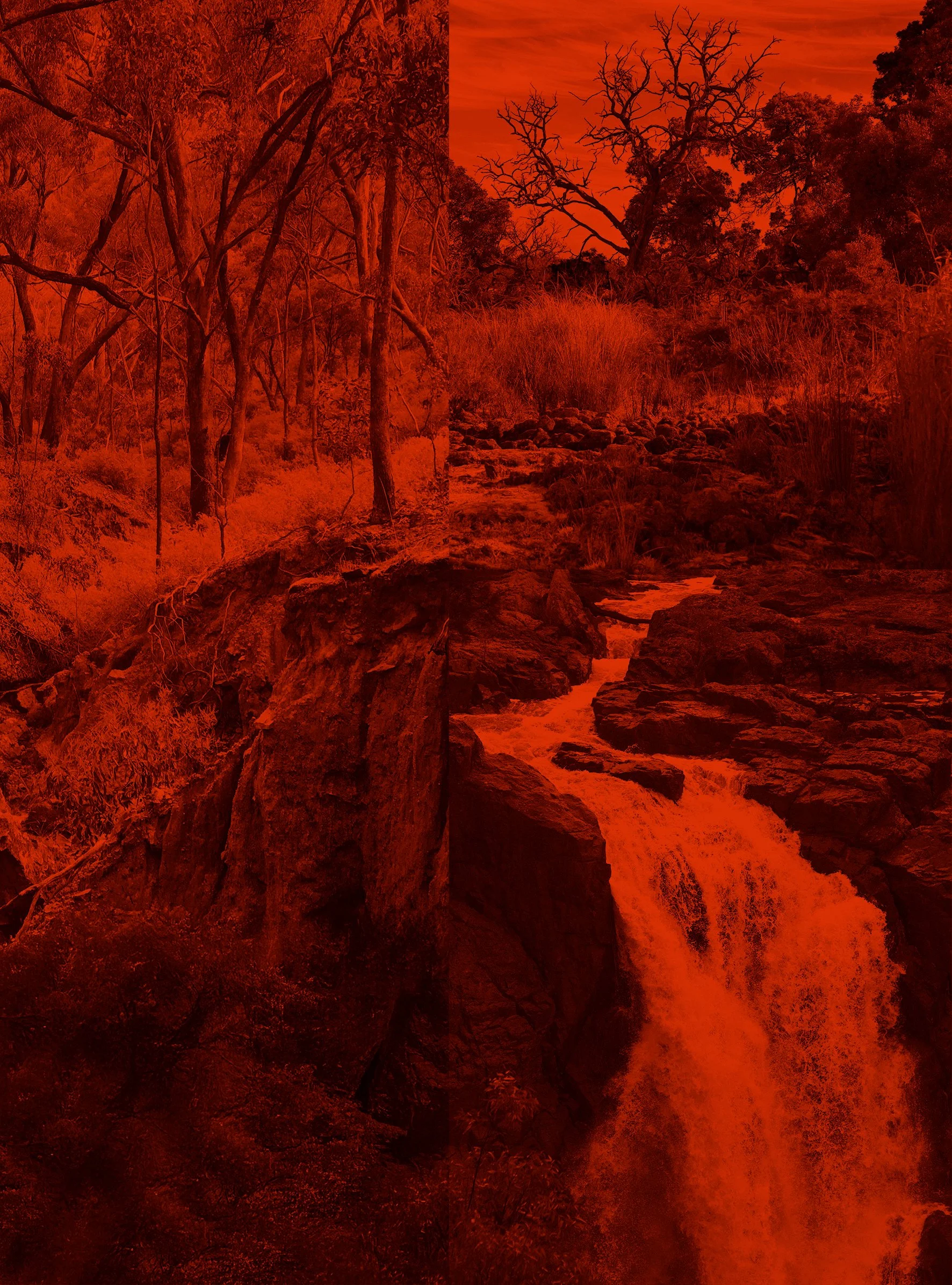
She was like the lizard that fell into the water and became a crocodile 1, archival inkjet print, 20.5 x 15 cm.
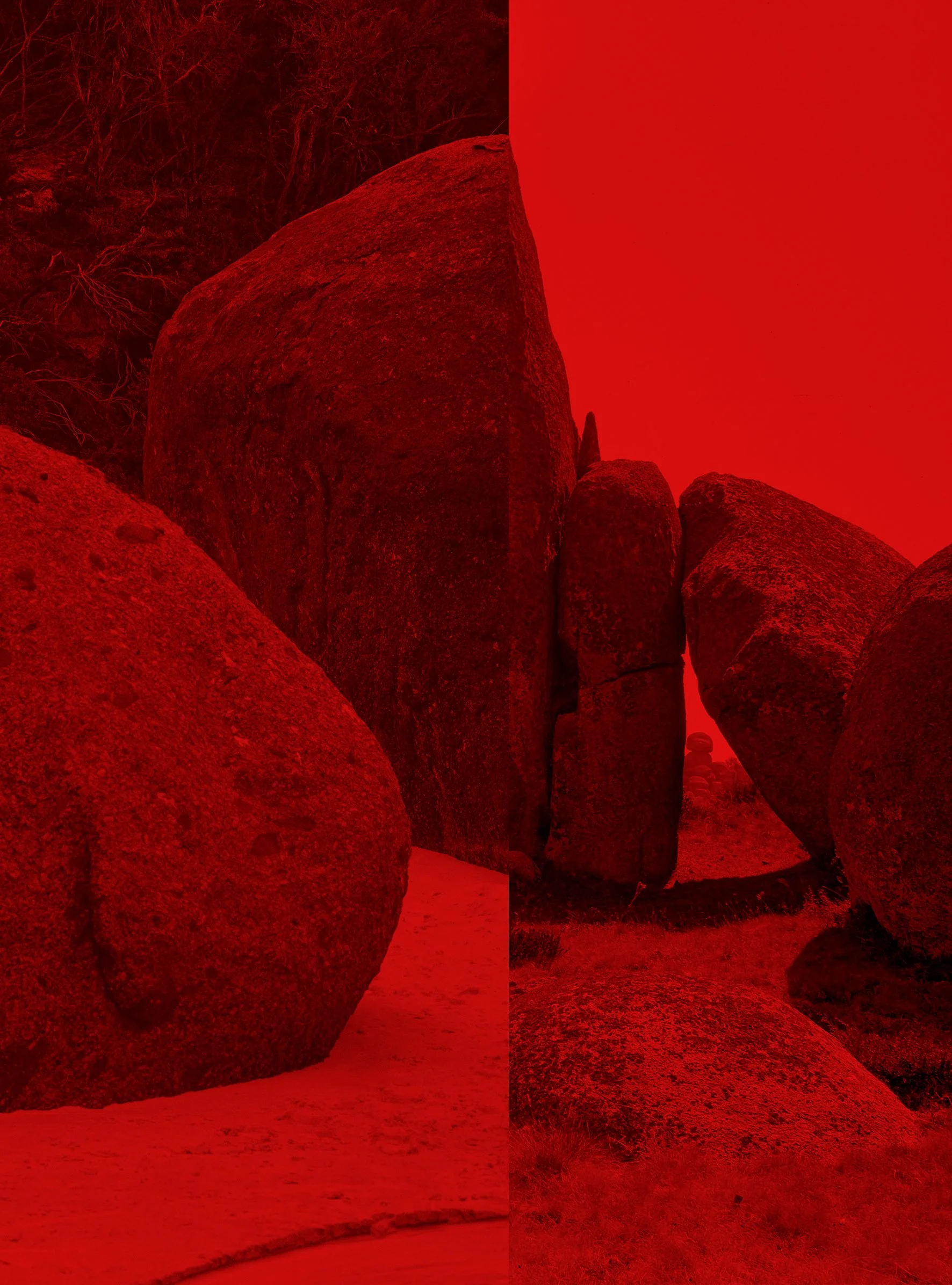
She was like the lizard that fell into the water and became a crocodile 2, archival inkjet print, 20.5 x 15 cm.
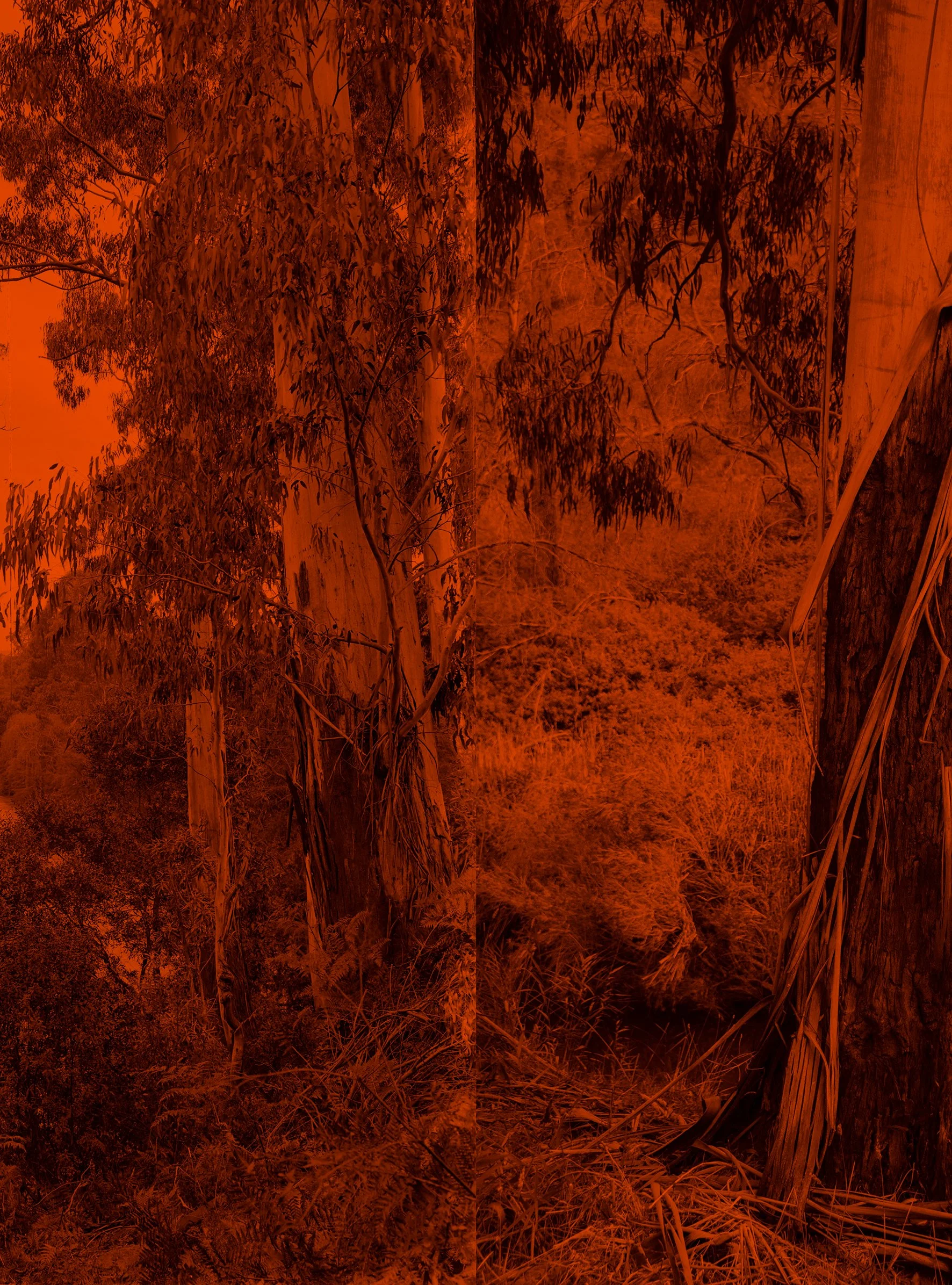
She was like the lizard that fell into the water and became a crocodile 3, archival inkjet print, 20.5 x 15 cm.
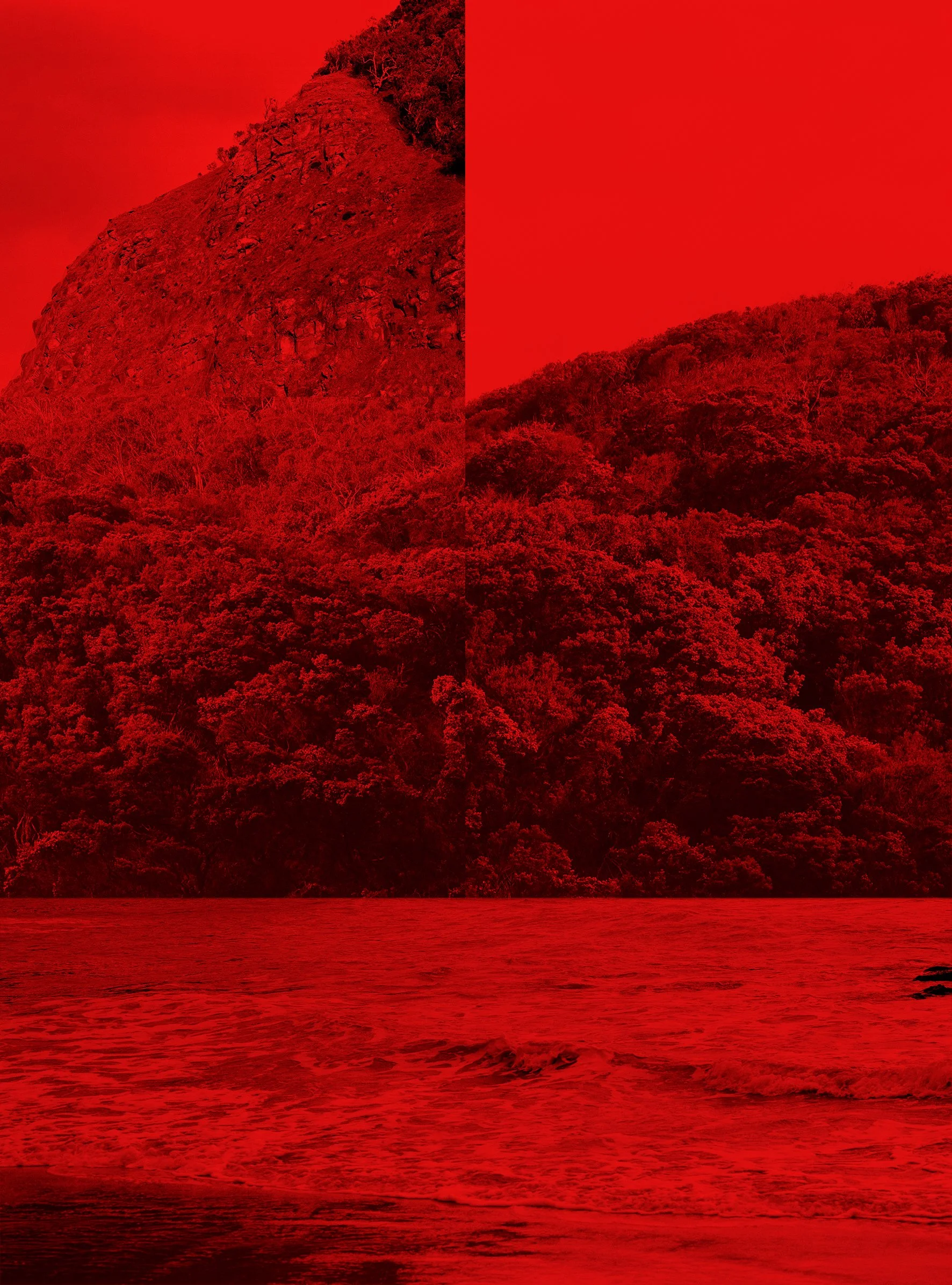
She was like the lizard that fell into the water and became a crocodile 4, archival inkjet print, 20.5 x 15 cm.
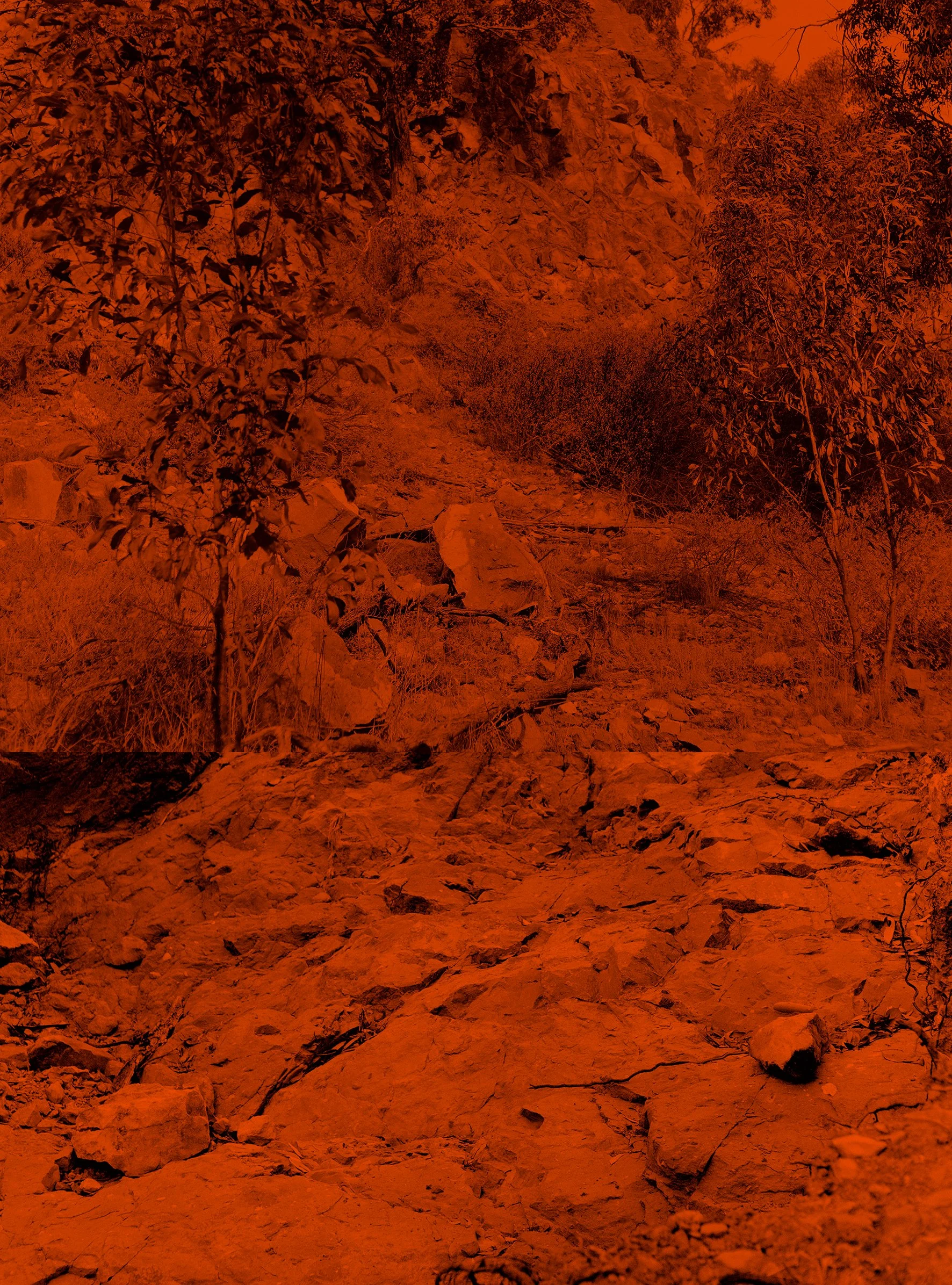
She was like the lizard that fell into the water and became a crocodile 5, archival inkjet print, 20.5 x 15 cm.
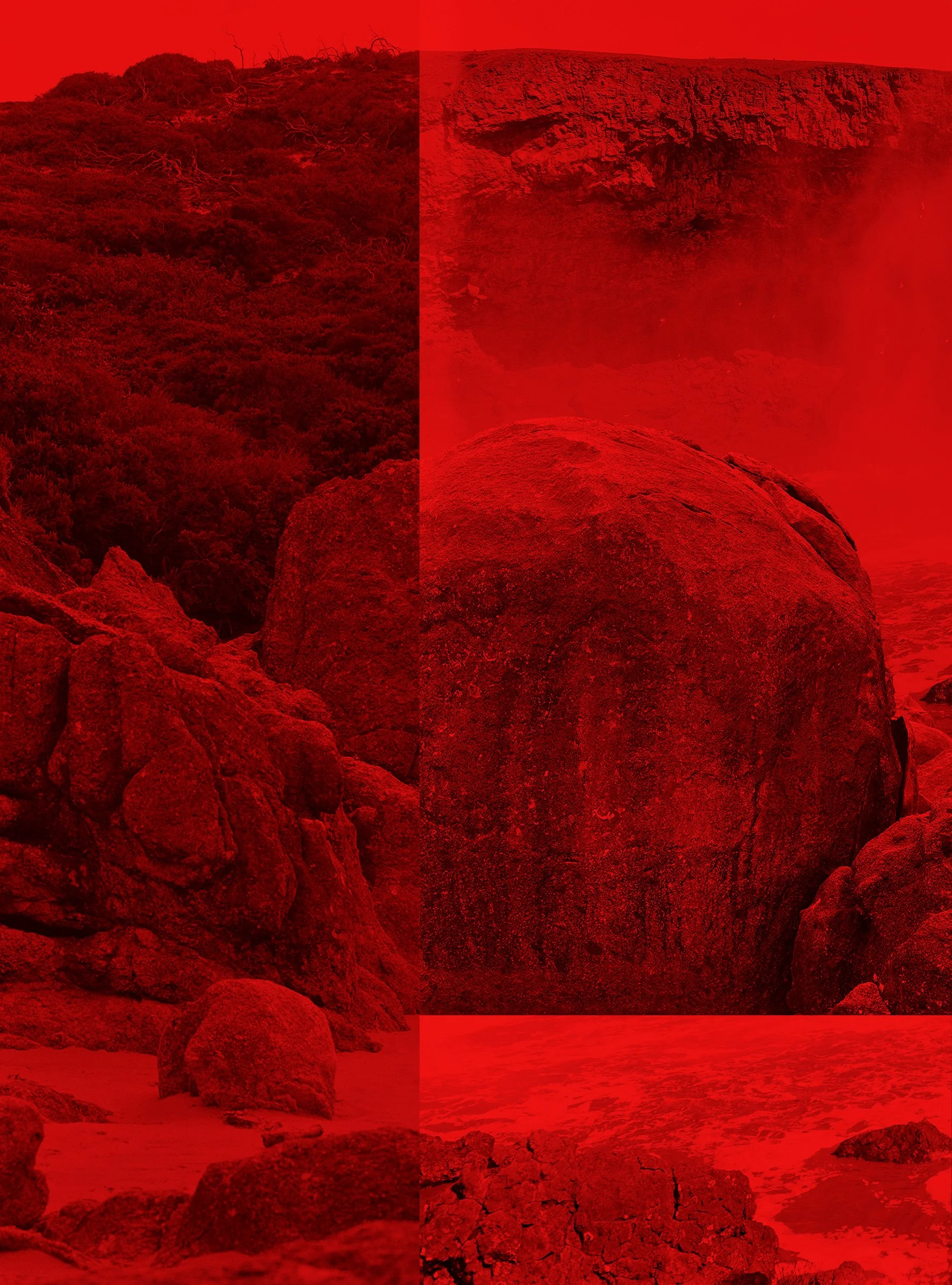
She was like the lizard that fell into the water and became a crocodile 6, archival inkjet print, 20.5 x 15 cm.
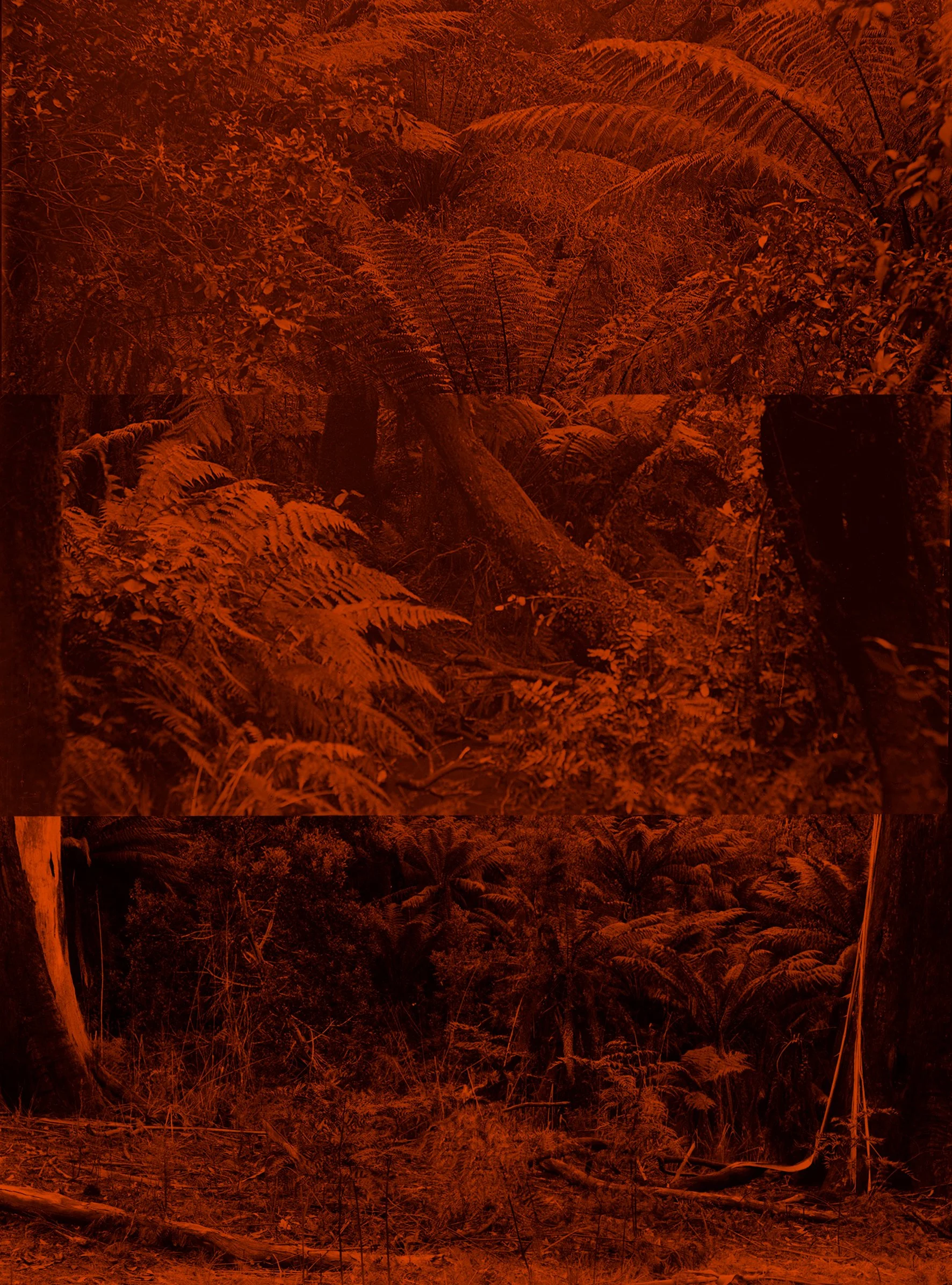
She was like the lizard that fell into the water and became a crocodile 7, archival inkjet print, 20.5 x 15 cm.
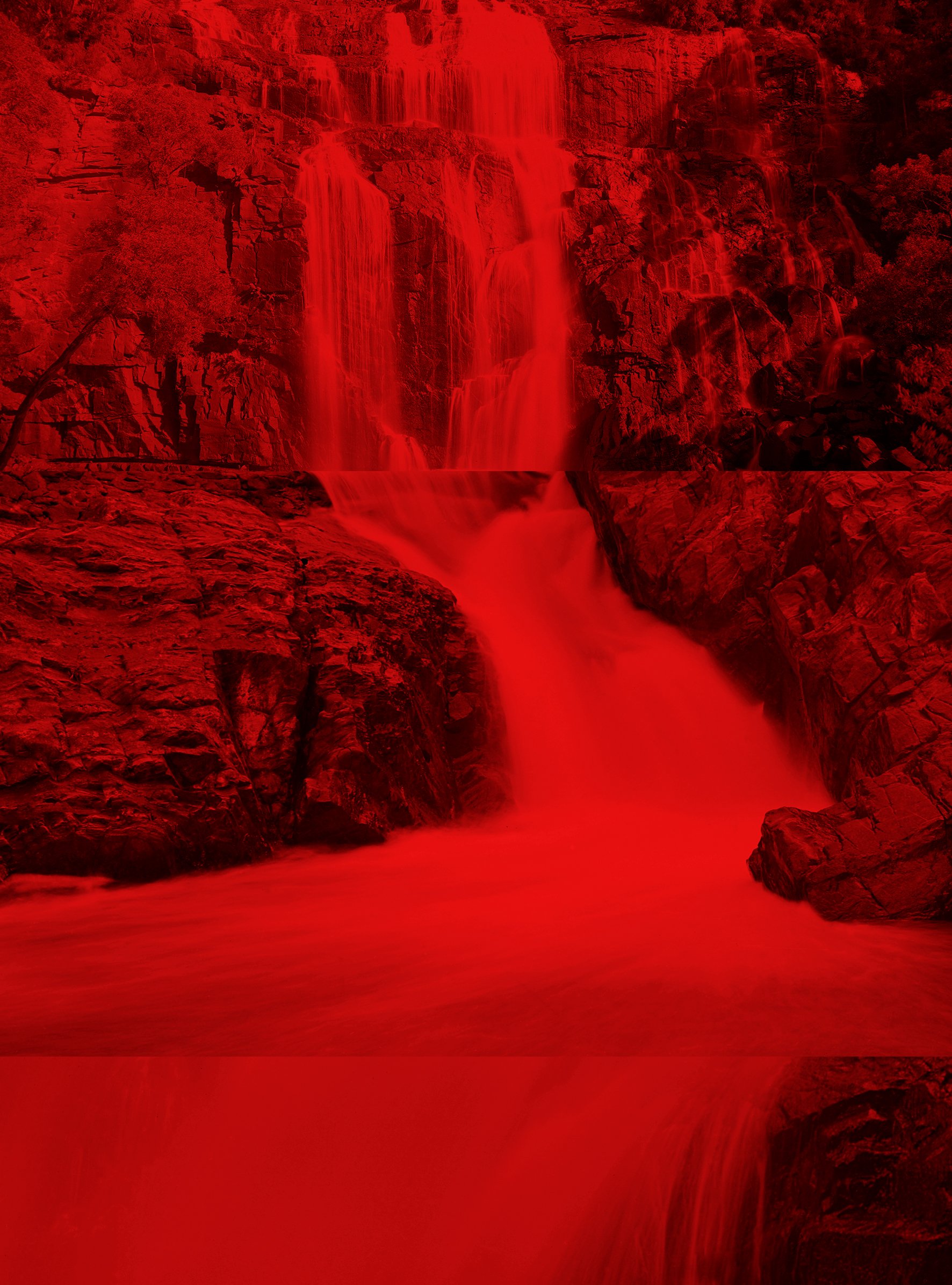
She was like the lizard that fell into the water and became a crocodile 8, archival inkjet print, 20.5 x 15 cm.
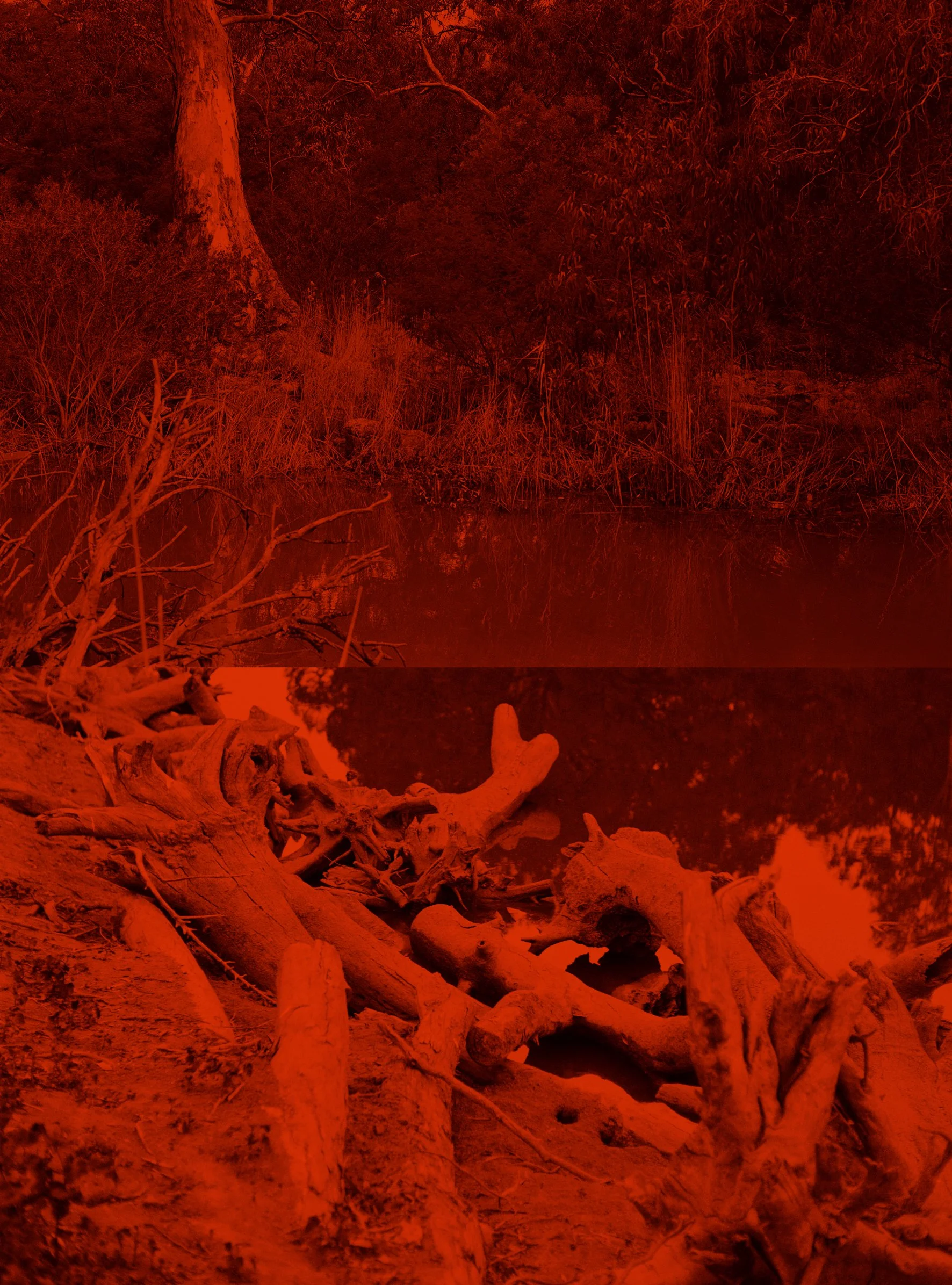
She was like the lizard that fell into the water and became a crocodile 9, archival inkjet print, 20.5 x 15 cm.
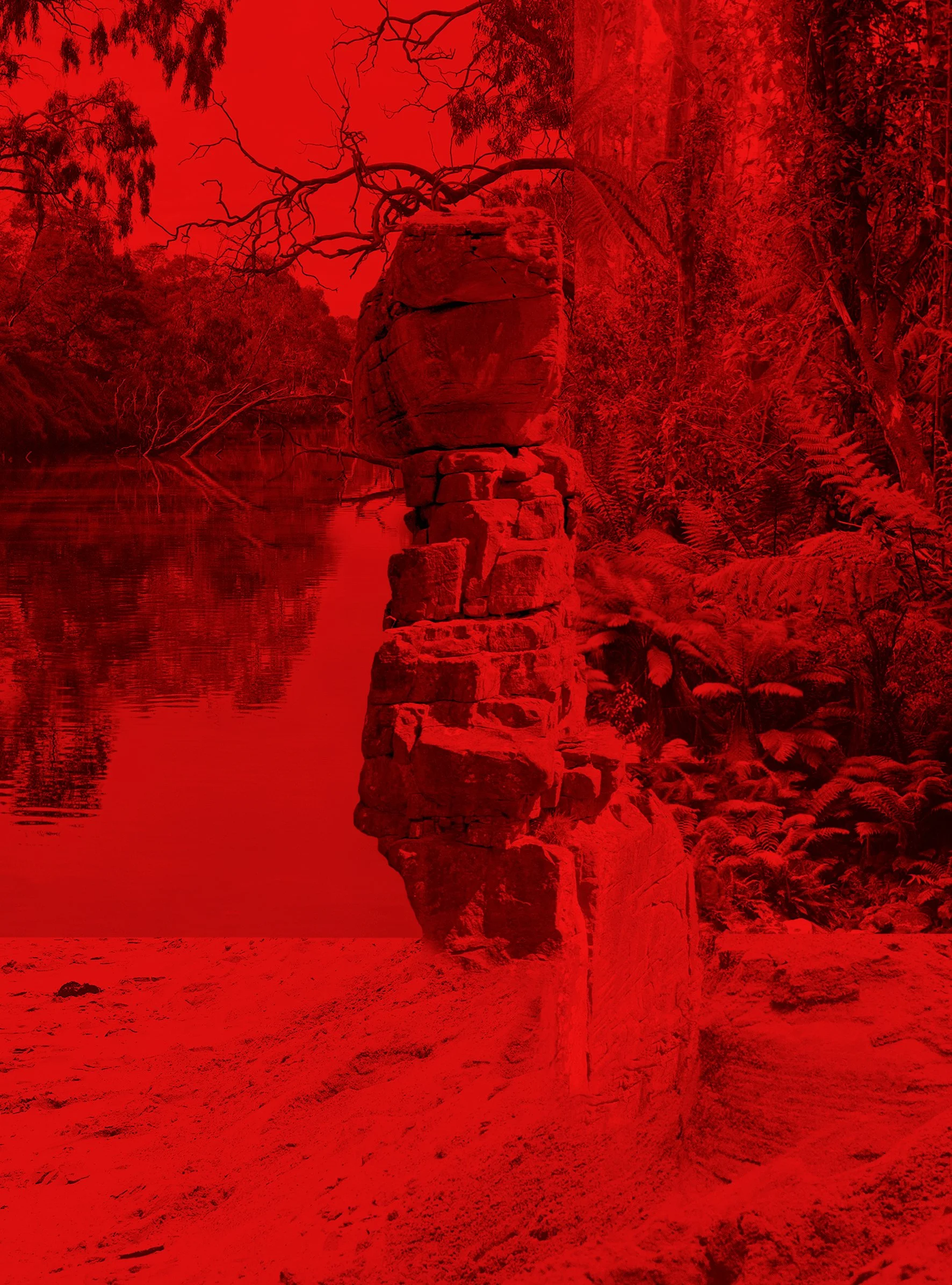
She was like the lizard that fell into the water and became a crocodile 10, archival inkjet print, 20.5 x 15 cm.
She was like the lizard that fell into the water and became a crocodile works with land through photographs that are cut, reassembled, and sutured into collaged forms. The seams have been left open; the ruptures are central to each work.
Observing the sutured landscapes becomes a meditation on responsibility and on the uneasy coexistence of care, complicity, and inherited harm. The collages return the act of looking back onto the viewer, presenting their scars. To engage with them is to confront one’s position within ongoing colonial systems and to acknowledge the violences that remain embedded in the land and in the systems that have fractured its sovereignty.
To look to the land is to feel the weight of what has been done to it and to those who belong to it, while recognising how it continues to nourish, restore, and strengthen. Looking demands attentiveness and accountability, insisting on the ethical and relational dimensions of vision itself.
The images collaged throughout She was like the lizard that fell into the water and became a crocodile combine photographs taken by the artist on unceded Country in south-western Victoria over the past decade — across the lands of the Wauthaurong, Bunurong, Wadawurrung, Djabwurrung, and Gunditjmara — with archival material sourced from the State Library of Victoria of the same areas. The archival images, produced exclusively by white colonial settler photographers, documented and mapped the land, creating visual records that both precede and actively participate in the colonial inscription of place. By bringing these materials into dialogue, the work creates a confrontation between lived Indigenous presence and the extractive logic of the colonial archive.
“I realised I was treating these small windows, which I now prefer to call ‘portals’ rather than landscapes, as altarpieces. They were serving as tiny sites of worship, instruction, and ritual. Diminutive but demanding, I would ask them if I could look again, concentrate harder, speak to them, and hope they’d speak back.
While each collage in this series suggests a unified, continuous landscape, it is in fact assembled from distinct locations, with no place appearing twice within a single image. I dressed each portal with shades of unforgettable and unforgivable red, symbolising the duality of violence and passion, corruption and yearning—a visceral terror and love that sits uncomfortably close. The works remind me of both bloodshed and the blood coursing through my veins, connecting me to the Indigenous continuum, both materially and psychologically, enduring beyond the designs of colonial power. Only now have I come to understand that what I was seeking was solace, which I find in all the breaks in the sunder. This piecemeal fragmentation is both a wound and an opening.
So, who is she, and why did she transform from a lizard into a crocodile after falling into the water? Am I the lizard who fell into the water, strengthened at the molecular level, water cells infiltrating my Indigenous pores? Have I become the resilient, formidable crocodile, strengthened anew to withstand this colony and the relentless pain and destruction it sows, fiercely guarding the ancestral ground? Or are you the lizard—the naive, harmless one—who has fallen into the comfort and offerings of privilege within the colony, and in doing so, become something else, something more dangerous, whether you realise it or not? Are you a crocodile, but not in the same way that I am?”
- Hayley Millar Baker, Notes on She was like the lizard that fell into the water and became a crocodile.